Key Takeaways (TL;DR):
- For 95% of gaming scenarios, including 4K gaming at 120+ Hz, the performance of the RTX 5080 is more than sufficient.
- The RTX 5090 offers an average of 20-30% more performance but costs 60-80% more, demonstrating the law of diminishing returns.
- Choosing the RTX 5090 is only justified for owners of 4K/240Hz or 8K monitors, as well as for professionals working with 3D graphics and neural networks.
- The power consumption and heat output of the RTX 5090 require significantly more expensive supporting components: a PSU of at least 1200W, a spacious case, and ideally, a custom liquid cooling loop.
Blackwell Architecture in Detail: What's Behind the Numbers?
- Compute Cores: The RTX 5090 operates with approximately 24,576 CUDA cores, while the RTX 5080 offers around 14,336 cores. This gives the senior model a theoretical advantage in raw computing power of almost 71%.
- Memory: The gap here is huge. The RTX 5090 is equipped with 32 GB of GDDR7 video memory with a 512-bit bus, providing a bandwidth of over 1.8 TB/s. The RTX 5080 gets 20 GB of GDDR7 with a 320-bit bus and a bandwidth of about 1.1 TB/s. For 4K and 8K gaming, this is a critically important parameter.
- RT Cores and Tensor Cores: Both cards have received new generation cores. The 4th generation RT cores in Blackwell have learned to process twice as many ray intersections, and the 5th generation Tensor cores accelerate the operation of neural network algorithms, which directly affects the performance of DLSS 4.0 Frame Generation and the new AI-upscaler Ray Reconstruction.
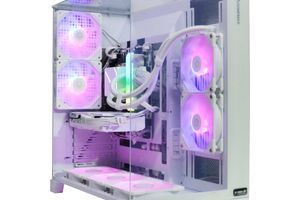
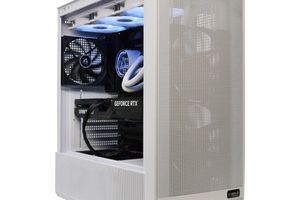
In practice, these differences translate into different performance and system requirements. The RTX 5090 requires not just a powerful, but an ultimate custom PC. Cooling this monster is a separate task. Even the best air coolers can barely cope, so a custom liquid cooling system is recommended for stable operation under load. A thorough system stress test of the case cooling is mandatory before purchasing such a card. The RTX 5080 is more democratic in this regard: a high-quality 3-section AIO or a massive air cooler in a well-ventilated case is sufficient. The difference in power consumption is also significant: the peak value for the 5090 can reach 600 W, while the 5080 stays within 400-420 W.
| Parameter | GeForce RTX 5080 | GeForce RTX 5090 |
|---|---|---|
| GPU | GB103 | GB102 (MCM) |
| CUDA Cores | ~14,336 | ~24,576 |
| VRAM | 20 GB GDDR7 | 32 GB GDDR7 |
| Memory Bus | 320-bit | 512-bit |
| Bandwidth | ~1.1 TB/s | ~1.8 TB/s |
| Power Consumption (TDP) | ~420 W | ~600 W |
| Purpose | Recommended Graphics Card | Processor | Approximate Budget, UAH |
|---|---|---|---|
| Full HD (1080p) @ 240+ Hz | GeForce RTX 5060 / Radeon RX 8700 XT | Intel Core Ultra 5 255K / AMD Ryzen 5 9600X | 60,000 - 85,000 |
| 2K (1440p) @ 144-240 Hz | GeForce RTX 5070 Ti / GeForce RTX 5080 | Intel Core Ultra 7 275K / AMD Ryzen 7 9700X | 90,000 - 140,000 |
| 4K (2160p) @ 120-160 Hz | GeForce RTX 5080 / Radeon RX 8900 XTX | Intel Core Ultra 7 275K / AMD Ryzen 7 9800X3D | 150,000 - 220,000 |
| 4K (2160p) @ 240 Hz / 8K | GeForce RTX 5090 | Intel Core Ultra 9 295K / AMD Ryzen 9 9950X | 250,000+ |
Power Consumption, Cooling, and Budget: The Final Verdict
- RTX 5080: The card's peak power consumption is about 420 W. For a system with this graphics card and a Core Ultra 7 level processor, a high-quality power supply with an 80 PLUS Gold or Platinum certificate of at least 1000 W is recommended. This will ensure stable operation and leave some headroom for the future.
- RTX 5090: This flagship can consume up to 600 W at its peak. Considering a flagship processor, the total system consumption can approach 900-1000 W. Here, a 1200 W power supply is necessary, and preferably 1500 W, with an 80 PLUS Platinum or Titanium rating to ensure maximum efficiency and reliability. The cost of such a PSU can be twice as high as for a system with an RTX 5080.
Cooling requirements also differ drastically. For the RTX 5080, a good airflow case and a quality three-section AIO for the processor will be sufficient in most cases. The graphics card itself comes with effective cooling systems from vendors. With the RTX 5090, it's more complicated. Its heat output is so great that to maintain comfortable temperatures (up to 80°C) and a low noise level, a custom liquid cooling system or a very spacious case with powerful airflow is highly desirable. Now for the main thing - the budget. Let's calculate the approximate difference in the final cost of the builds.
| Component | Build with RTX 5080 | Build with RTX 5090 |
|---|---|---|
| Graphics Card | ~75,000 UAH | ~120,000 UAH |
| Processor (Core Ultra 7 vs Ultra 9) | ~18,000 UAH | ~26,000 UAH |
| Motherboard (Z890) | ~12,000 UAH | ~18,000 UAH |
| Power Supply (1000W Gold vs 1500W Plat) | ~8,000 UAH | ~15,000 UAH |
| Cooling (AIO vs Custom Loop) | ~6,000 UAH | ~20,000 UAH |
| Total Difference (Approximate) | - | +90,000 UAH |
As you can see from the table, the difference in the cost of just the key components is about 90,000 UAH. This is a huge amount that could be spent on a top-tier 4K OLED monitor, quality peripherals, and a dozen games. Therefore, before buying an RTX 5090, you should think three times whether you really need that extra performance boost for such a price.
What Processor is Needed to Unleash the Potential of NVIDIA's Flagships?
| Graphics Card | Optimal CPU for 4K Gaming | Compromise Option | Excessive Option (for gaming) |
|---|---|---|---|
| RTX 5080 | Intel Core Ultra 7 275K / AMD Ryzen 7 9800X3D | Intel Core Ultra 5 265K / AMD Ryzen 7 9700X | Intel Core Ultra 9 295K / AMD Ryzen 9 9950X |
| RTX 5090 | Intel Core Ultra 9 295K / AMD Ryzen 7 9800X3D | Intel Core Ultra 7 275K / AMD Ryzen 9 9900X | Server processors Xeon/Threadripper |
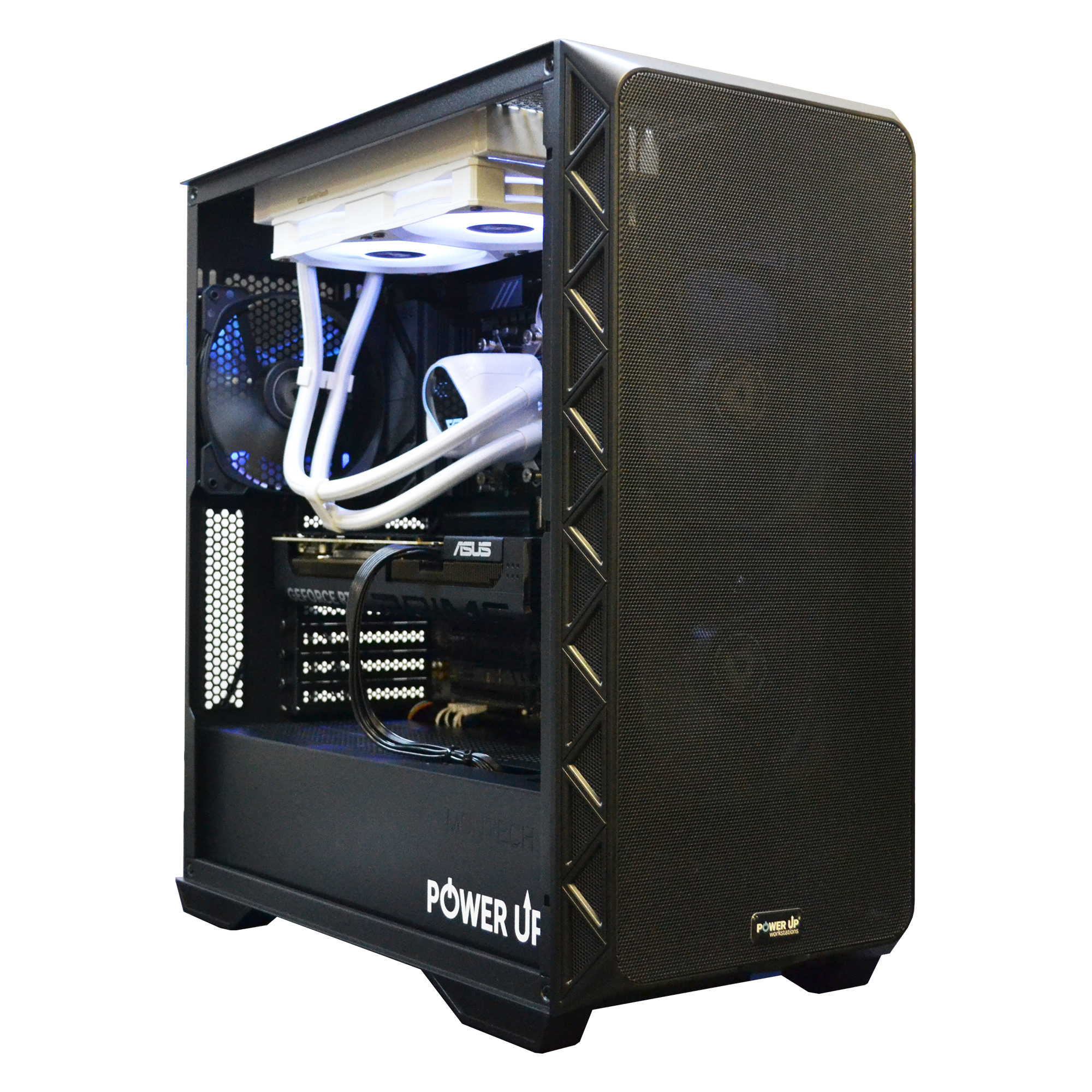
Gaming Performance: Comparing FPS in 4K Resolution
| Game | GeForce RTX 5080 (DLSS Quality) | GeForce RTX 5090 (DLSS Quality) | Performance Increase |
|---|---|---|---|
| Cyberpunk 2077 (ver. 2.5) | 115 FPS | 150 FPS | +30.4% |
| Grand Theft Auto VI | 95 FPS | 125 FPS | +31.5% |
| Counter-Strike 2 (Max Details) | 380 FPS | 470 FPS | +23.7% |
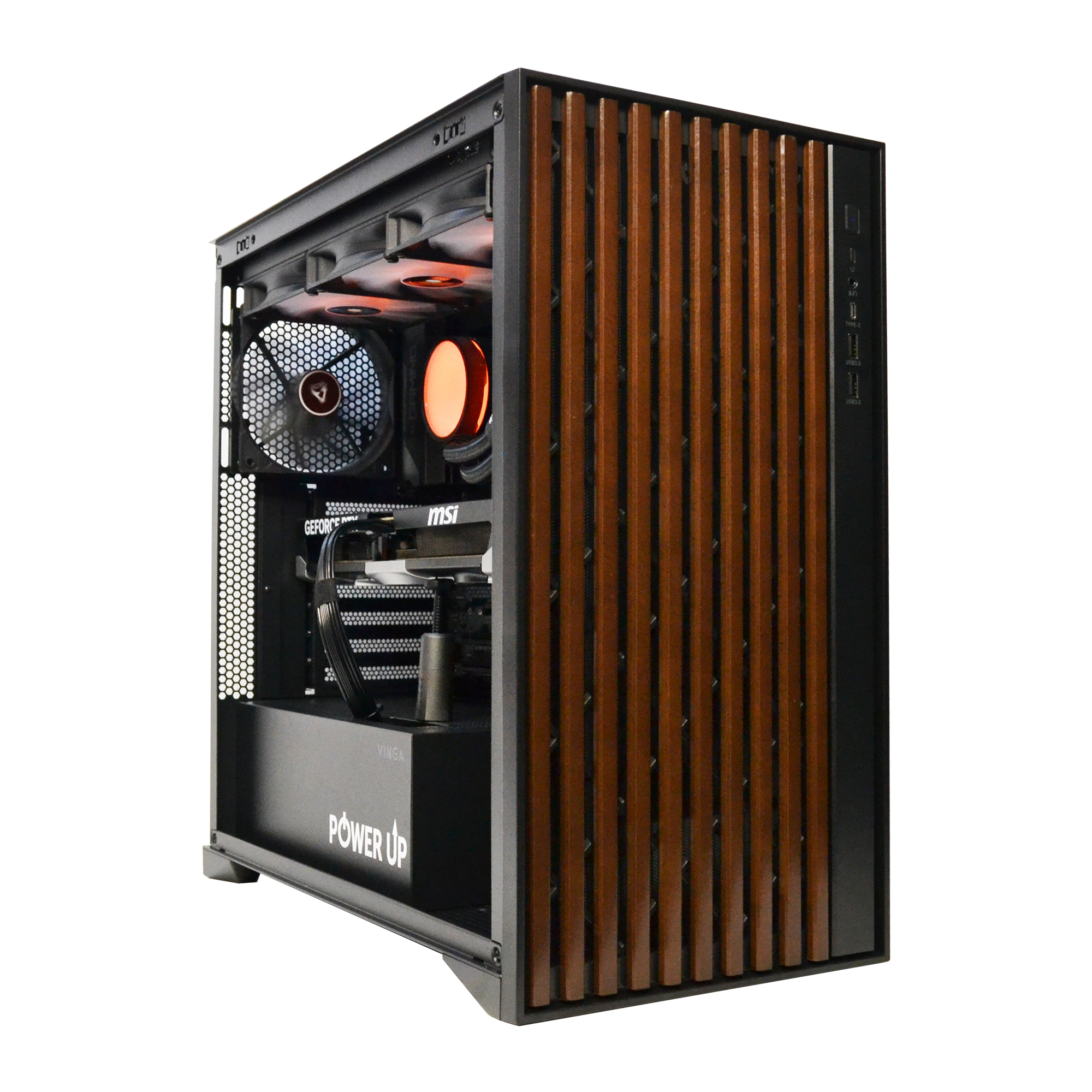
RTX 5090 vs RTX 5080: Key Pros and Cons
Advantages
- ✔The RTX 5090 provides absolute dominance in 4K and is the only solution for comfortable 8K gaming.
- ✔The massive video memory buffer (32 GB GDDR7) on the RTX 5090 provides a colossal future-proof reserve for ultra-high-resolution textures.
- ✔For professional tasks (AI, rendering), the RTX 5090 offers performance unattainable by any other consumer card.
- ✔The status of the ultimate flagship, owning which is in itself an advantage for enthusiasts.
Disadvantages
- ✖Disproportionately high price of the RTX 5090: the cost increase significantly outpaces the FPS gain in most games.
- ✖Extreme power consumption (up to 600W) and heat dissipation, requiring an expensive cooling system and PSU.
- ✖At 1440p and even in 4K in many games, the difference with the RTX 5080 will be minimal due to CPU bottlenecks.
- ✖The dimensions of the RTX 5090 require very large cases, which limits choices and complicates the build.
How to Avoid Bottlenecking When Building with an RTX 5090?
- RAM: For such a system, the minimum is 32 GB of fast DDR5 memory. The de facto standard in 2026 is a frequency of 7200-8000 MHz with the lowest possible timings (e.g., CL34). Using slow DDR5-5200 memory can cut up to 10-15% of FPS in CPU-dependent games.
- Motherboard: A cheap board with an inadequate VRM power delivery system simply won't be able to provide stable power to a flagship processor under load, leading to throttling and performance drops. For a Core Ultra 9 + RTX 5090 combo, a Z890 chipset motherboard with a powerful heatsink on the power delivery circuits is necessary.
- Storage: Although the direct FPS gain from an SSD is minimal, using a slow SATA SSD or, even worse, an HDD, will lead to long level loading times and texture pop-in during gameplay (stuttering). At least one NVMe SSD with a PCIe 4.0 interface is mandatory, and ideally, a PCIe 5.0 for maximum speed.
- Cooling: An RTX 5090 and a Core Ultra 9 together can dissipate up to 1000 W of heat under peak load. This heat must be effectively removed from the case. A spacious case with excellent ventilation (at least 3-4 intake fans and 2-3 exhaust fans) and a high-performance CPU cooling system (an AIO with a 360/420 mm radiator or a supercooler) is required.
Building a balanced gaming computer around an RTX 5090 is a complex task. Every component must be top-tier, otherwise, the expensive graphics card will not be able to reach its full potential. The cost of these supporting components can easily amount to another 50-70% of the price of the graphics card itself.
How to Choose Between RTX 5080 and RTX 5090: 4 Steps to the Right Decision
This step-by-step guide will help you make an informed choice between the two flagship graphics cards based on your actual needs and budget, not marketing slogans.
Step 1: Assess Your Monitor and Target FPS
This is the most crucial step. Look at the specs of your current or planned monitor. If it's a 1440p or 4K with a refresh rate up to 165 Hz, the RTX 5080 is your choice. It will provide the necessary FPS with plenty of headroom. However, if you own or plan to buy a 4K@240Hz or 8K@60Hz monitor, only the RTX 5090 can unlock their full potential.
Step 2: Analyze Your Gaming Preferences
What games do you play? For esports titles like CS2 or Valorant, where maximum FPS is key, both cards are overkill. For story-driven AAA projects with a focus on graphics (Cyberpunk 2077, Alan Wake 2, GTA VI), the RTX 5080 will provide a superb experience in 4K. The RTX 5090 is only needed to get not just a 'superb', but an 'absolutely maximum' experience without any compromises.
Step 3: Calculate the Full Build Budget
Don't just look at the price of the graphics card. As we've found out, the RTX 5090 requires a more expensive processor, motherboard, power supply, and cooling. Add up the cost of all components for both options. The difference can be 80,000-100,000 UAH. Ask yourself: are you willing to pay this amount for an additional 20-30% performance?
Step 4: Evaluate Non-Gaming Tasks
If your PC is not just a gaming station but also a work tool, the choice may shift towards the RTX 5090. For 3D modeling, 8K video editing, working with neural networks, and scientific computing, the 32 GB of VRAM and the colossal computing power of the RTX 5090 provide an undeniable advantage that can pay for the investment.
Frequently Asked Questions (FAQ)
How much VRAM is really needed for gaming in 2026?
For 1440p resolution, a comfortable minimum is 12-16 GB of VRAM. For 4K gaming at max settings with high-resolution textures, it is desirable to have 16-20 GB. The 20 GB on the RTX 5080 is an optimal amount for the next 2-3 years. The 32 GB on the RTX 5090 is excessive for 99% of current games but may become necessary in the future or in specific modded projects.
Should I wait for the RTX 5080 Ti to be released?
Traditionally, NVIDIA releases Ti versions of its cards 8-12 months after the main models. The RTX 5080 Ti is expected to fill the niche between the 5080 and 5090, offering about 85-90% of the flagship's performance at a lower price. If you are not in a hurry to upgrade and are looking for the 'golden mean', waiting might be justified. However, at launch, the prices for Ti versions are often inflated.
What is the minimum power supply needed for a system with an RTX 5090?
The absolute minimum is a quality 1200W power supply with an 80 PLUS Gold certification and a 12V-2x6 connector. However, we strongly recommend getting a 1500W model with an 80 PLUS Platinum certification. This will not only ensure stability during peak loads but will also operate more efficiently, reducing heat, noise, and electricity consumption.