Unreal Engine 5 is used far beyond game development: architectural visualization, virtual production, simulators and advertising. Each workload stresses a different part of the PC, so the right workstation depends on what you do most.
What drives performance in Unreal Engine
| Task | Main component |
|---|---|
| Viewport and play-in-editor FPS | graphics card and VRAM |
| Shader and C++ compilation | CPU core count |
| Light baking | CPU or GPU (CPU or GPU Lightmass), RAM |
| Large projects | NVMe SSD |
| Virtual production, LED walls | professional GPU with sync support |
Epic Games and Puget Systems recommendations
Epic Games recommends Windows 11 (minimum Windows 10 22H2, 64-bit), a quad-core Intel or AMD CPU at 2.5 GHz or faster, 32 GB of RAM and a DirectX 12 graphics card with 8 GB of VRAM or more.
- CPU: Intel Core Ultra and AMD Ryzen 9000 suit most users; Threadripper 9970X compiles about twice as fast as Core Ultra but costs much more (Puget).
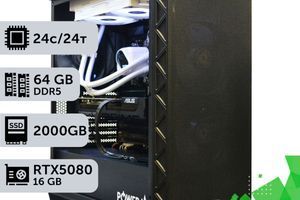
- RAM: 32 GB for most users, 64 GB+ if light builds take hours.
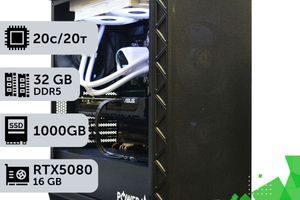
- GPU: RTX 5080 16 GB offers strong value, RTX 5090 32 GB suits demanding projects, RTX PRO 6000 Blackwell 96 GB adds multi-system sync.
- Storage: SSD for the OS and projects, NVMe for large projects, HDD only for backups.
Three example configurations


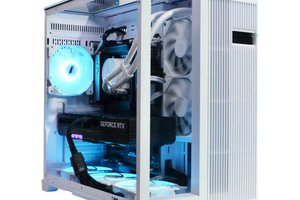
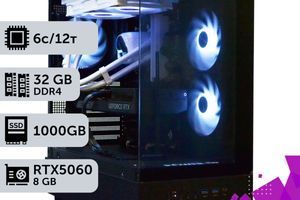
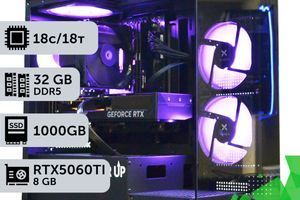
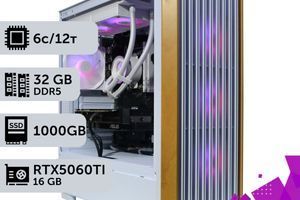
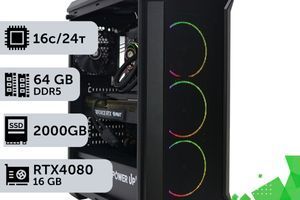
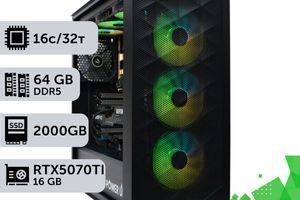
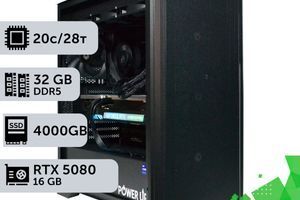
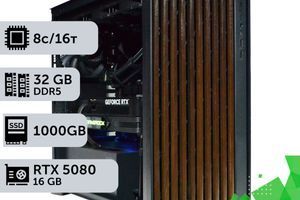
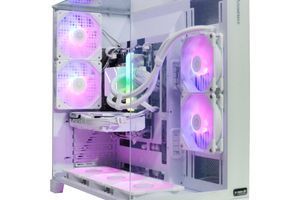
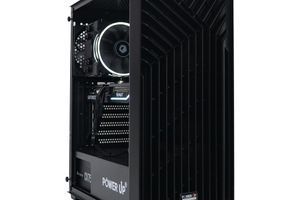
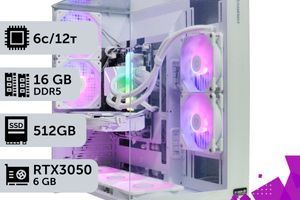
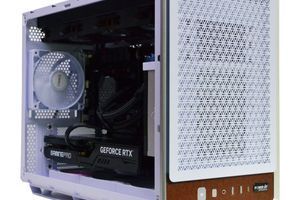
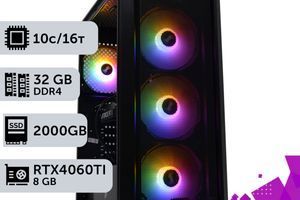
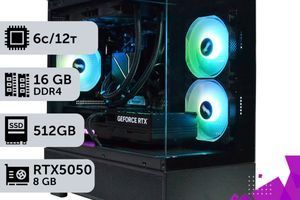
The entry build covers learning projects and prototypes, the mid-range build adds cores and memory for compilation and light baking, and the pro build handles large scenes and archviz.
Balance matters: the GPU sets viewport comfort, the CPU sets compile times, and RAM plus NVMe storage handle large projects.
See our workstations, RTX 50 series PCs and RTX 5080 workstations, or read Unreal Engine performance on GeForce RTX 40.