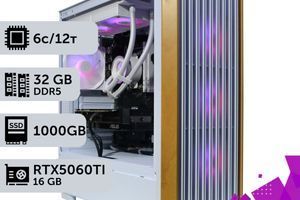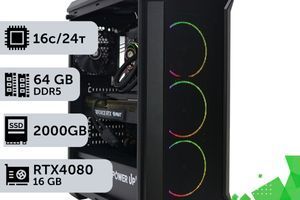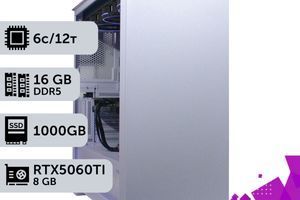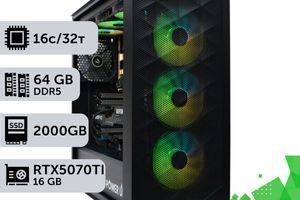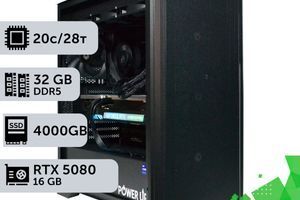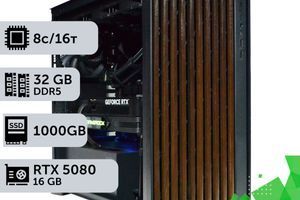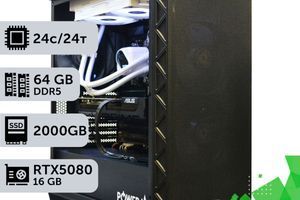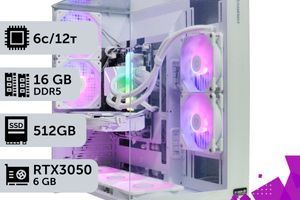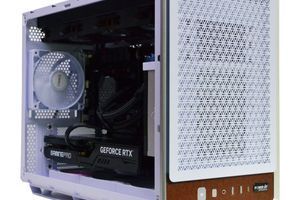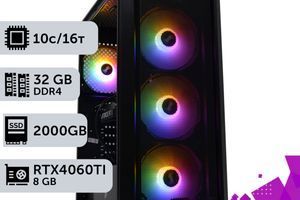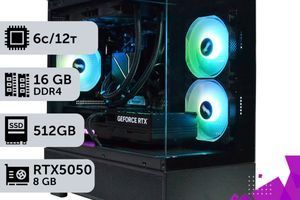
In the expert community, a sharp increase is noted in the computer components market for products such as RAM and solid-state drives — DRAM and SSD. This trend equally affects the professional segment of servers and workstations and the consumer category, including gaming systems, laptops, and personal computers. Over a relatively short period of just a few months, price growth indicators have surged by tens and hundreds of percent.
For leading players in the computer components market, manufacturers, system operators, and everyday consumers, the search for the reasons behind this price hike has become crucial:
- Why does price growth have such staggering dynamics?
- Is this process explained purely by temporary factors, or is it a long-term trend?
- Is there any hope for a quick return of prices to previous levels?
Only a thorough analysis of materials in authoritative publications such as The Verge, Forbes, Windows Central, Tom’s Hardware, PC Gamer, and Reuters, along with an examination of the full range of factors, can provide an objective assessment of the situation.
The Massive Impact of Artificial Intelligence
Virtually all analysts agree that the primary cause of the crisis is the rapid development of the industry associated with AI — Artificial Intelligence.
Explosive Growth in Memory Consumption by Data Centers
The process of creating all types of AI models, including computer vision, GPT-class agents, LLM agents, and recommendation systems, requires the following:
- A multi-fold increase in the need for training data;
- Constant loading of additional gigabytes into memory;
- The need for high-speed memory with minimal latency.
As a result, these factors lead to a massive increase in purchases by AI companies, data centers, and major providers for the following products:
- NAND memory for high-performance SSDs;
- DRAM for servers;
- Specialized memory types, such as HBM.
Industry analysts note that corporate consumers are willing to pay premium prices compared to the home PC segment. Current production capacities are shifting to meet corporate needs.
DRAM Price Growth Outpaces Gold
Growth Statistics
According to research by Tom’s Hardware, DRAM price increases over the year have exceeded 170%. These rates are higher than those of the most sought-after commodities.
Several criteria explain these high dynamics:
- Reduced supply in the sales market;
- A sharp increase in demand in the AI and server sectors;
- Rapid reallocation of production capacities.
Manufacturer Focus on HBM
Market giants like Samsung, SK Hynix, and Micron are shifting from traditional DDR4/DDR5 memory to High Bandwidth Memory (HBM). This is driven by:
- The application of HBM in GPUs for AI (NVIDIA, AMD);
- Significantly higher profit margins for the new product;
- Guaranteed long-term supply stability through cooperation with tech giants.
This data results in unpleasant consequences for average consumers: a significantly reduced supply of DRAM for the consumer market, rising costs for DDR4 and DDR5 modules, and an acute shortage of high-capacity options like 32, 64, and 128 GB.
The SSD and NAND Domino Effect
Halt in NAND Production Cuts
Just 2-3 years ago, this market segment was stagnant due to overproduction and record price drops. Manufacturers responded by mothballing lines and cutting investments. The unexpected return of demand could not be met by an equally quick restoration of production volumes.
Enterprise Segment Displacing Consumer Market
Data from Windows Central and Forbes indicate a trend where the majority of NAND memory is redirected to storage systems for AI clusters, cloud storage, and data center needs. The result is price hikes for retail SSDs and a rapid increase in the cost of high-capacity NVMe drives (2-4 TB).

Big Players Exiting the Consumer Market & Geopolitics
Major brands like Micron and Crucial are shifting their commercial focus toward corporate partners and AI infrastructure. This leads to a reduced product range for regular buyers and depleted retail stocks.
Additionally, the concentration of production in Taiwan and South Korea makes the market highly vulnerable to logistics disruptions, trade conflicts, and sanctions.
Impact on Workstations and the PC Market
Even if GPU and CPU prices stabilize, the surge in SSD and memory costs alone is enough to raise the final price of a PC by 15-30%. Workstations for 3D rendering, video editing, and CAD/BIM are the most vulnerable, as they critically require 64-128 GB of RAM and ultra-fast SSDs.
Is a Price Decrease Likely?
In the short term (6-12 months), no price rollback is expected as capacities are fully booked by corporate contracts. In the medium term, everything depends on the launch of new factories and potential market saturation, but for now, these prices should be considered the new market reality.
Summary
The current price surge is not an accident but a large-scale shift in market structure driven by the AI boom and manufacturer priorities. Businesses and buyers must carefully plan their purchases, accounting for high volatility and the absence of conditions for a rapid price decline.